Shock Hosting Shock Hosting
  • HomeCourt
No Result
View All Result
  • HomeCourt
No Result
View All Result
UDUBWBB.com
No Result
View All Result
Home #UDUBWBB

B1G Game Preview: UW WBB Huskies at Oregon – Sunday, March 1st @ 2PM PST

by Nesto Roland
March 1, 2026
in #UDUBWBB
Reading Time: 5 mins read
B1G Game Preview: UW WBB Huskies at Oregon – Sunday, March 1st @ 2PM PST

The Washington Huskies (19-9 overall, 9-8 Big Ten) head to Eugene on Sunday, March 1st for a regular season finale matchup with the arch-rival Oregon Ducks (20-10 overall, 8-9 Big Ten).
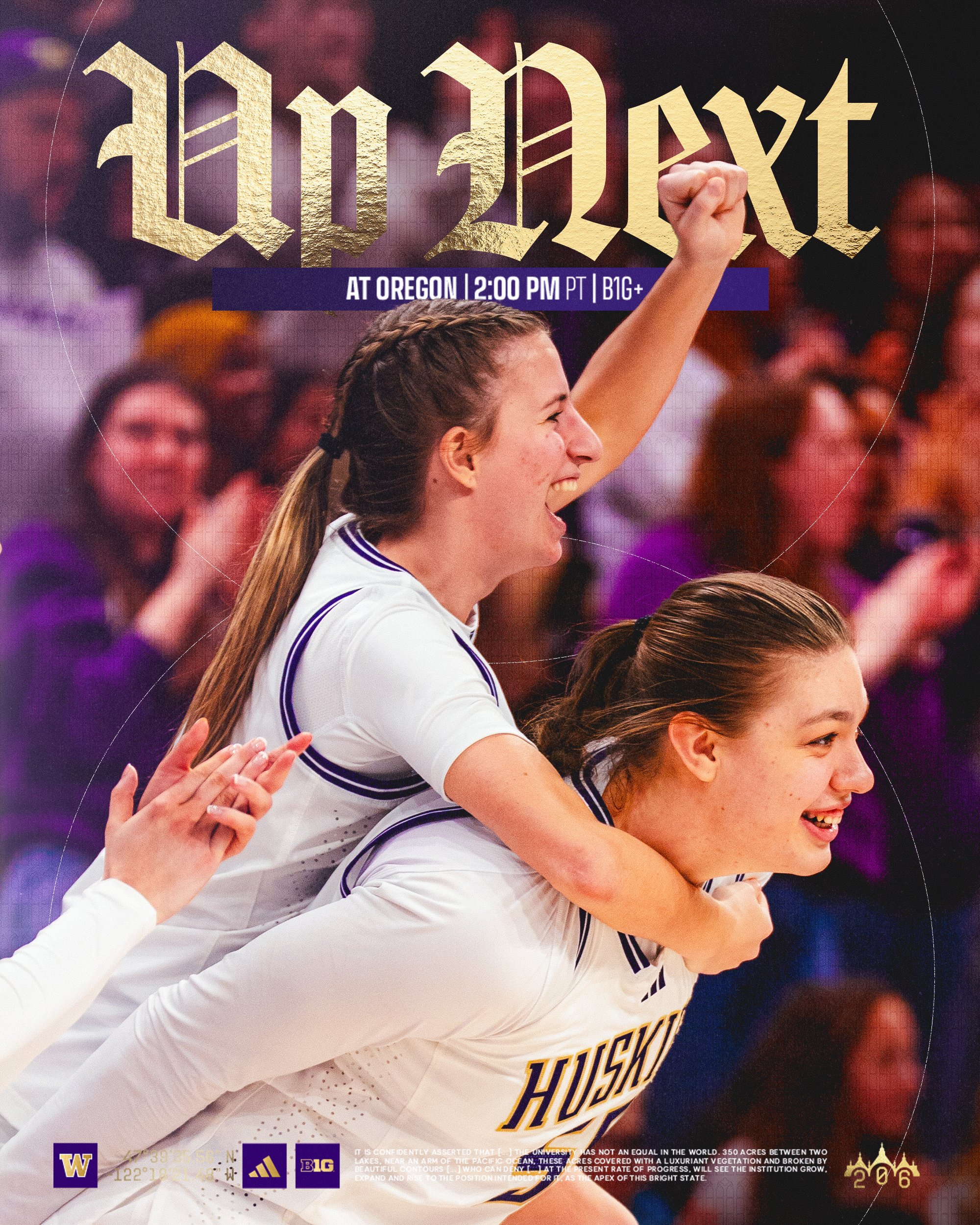

Courtesy of UW Athletics

Offensive Efficiency vs. Offensive Pace

The Huskies have already proven they can grind out wins by holding opponents to just 61.4 points per game, one of the more disciplined defensive marks in the conference.

Meanwhile, Oregon’s higher‑octane attack averages 75.3 points, setting up a classic clash of tempo and style that will likely define the outcome.

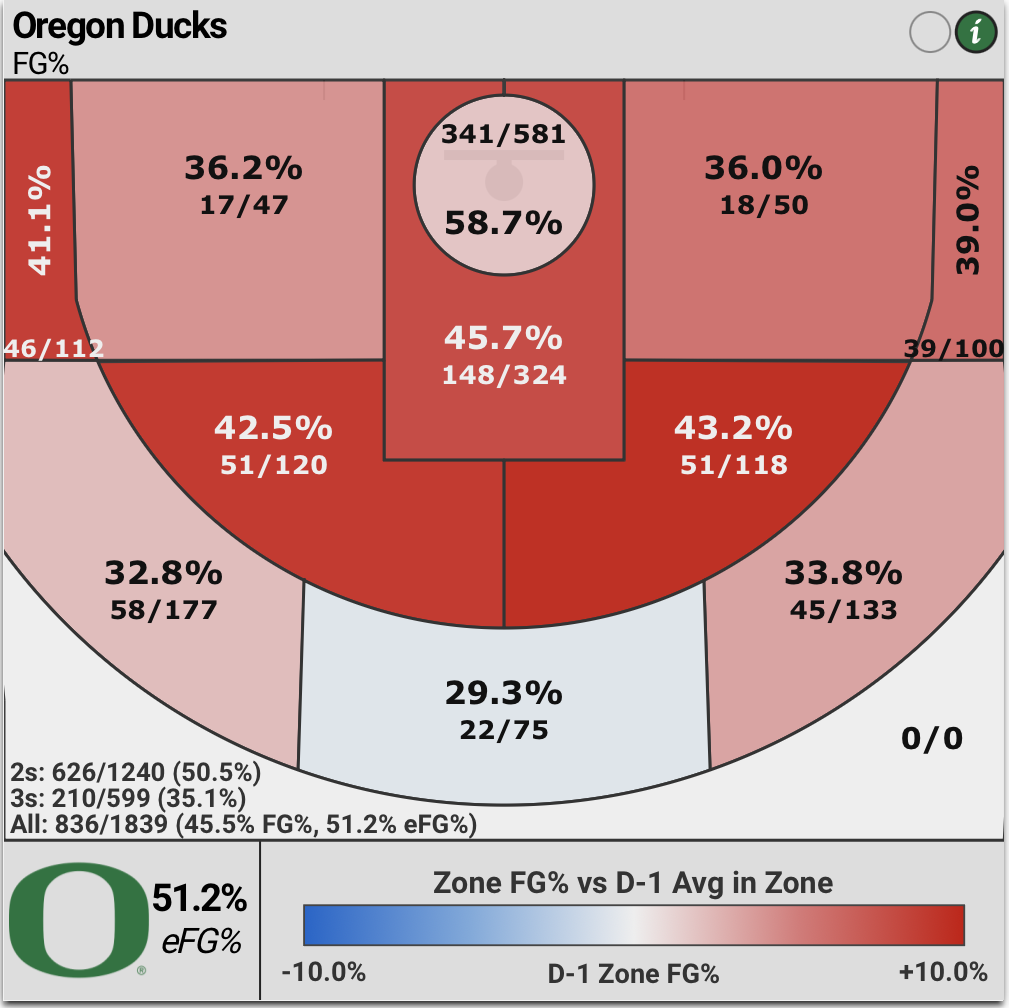
On paper, the Ducks hold a narrow statistical edge on offense. They shoot 45.5% from the field, slightly ahead of Washington’s 44.7%, and they outscore opponents by a margin that leans on both uptempo pace and ball movement.

Oregon’s 17.3 assists per game, paired with a 62.2% assisted shot rate, indicate a free‑flowing system that thrives on balanced scoring and play-making.
However, the Huskies are built to disrupt that kind of attack, since
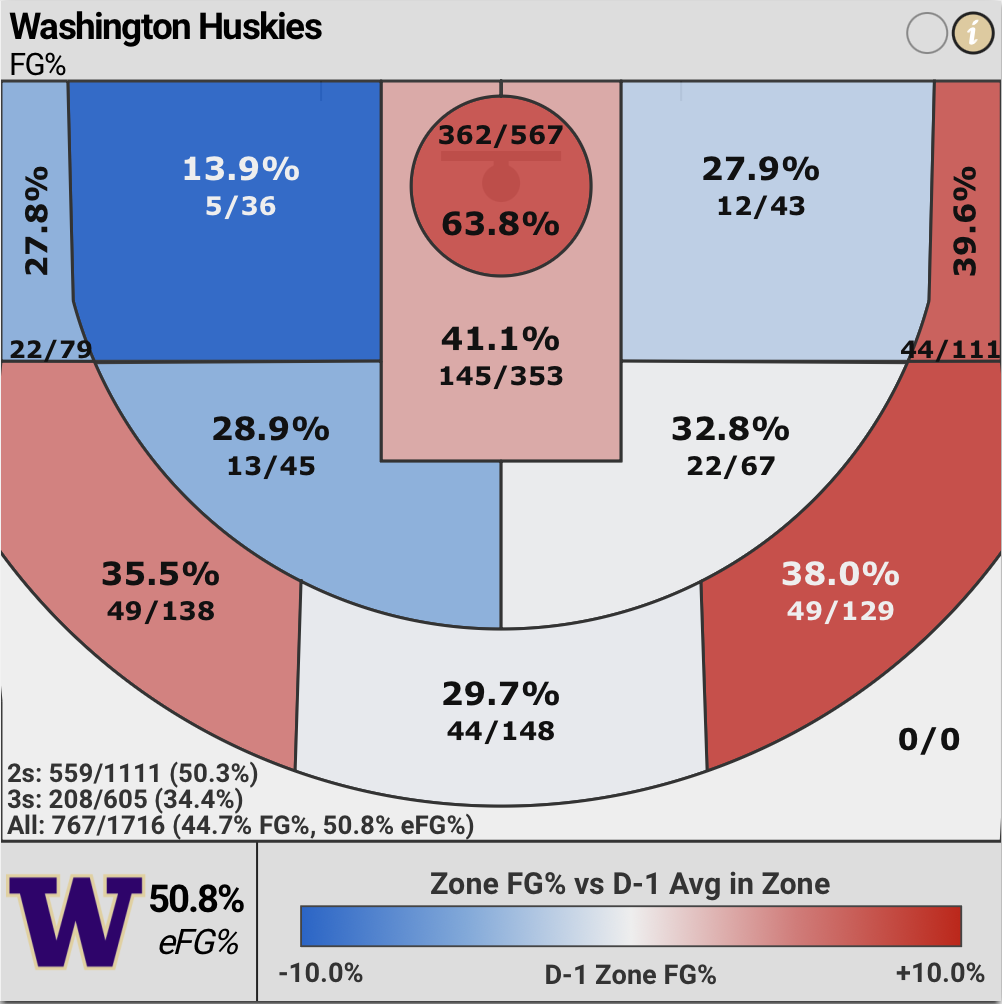
UW allows only 61.4 points per game while scoring 72.0 points, producing a healthy scoring differential driven by disciplined half‑court defense and selective shot‑making. Their 50.3% two‑point percentage and 34.4% from three-point range show that when the Dawgs get into their offensive sets, they consistently find quality looks.

Consequently, if Washington can drag Oregon into more half‑court possessions, the Ducks’ offensive rhythm may be disrupted.
The Dawgs’ Offensive Engine
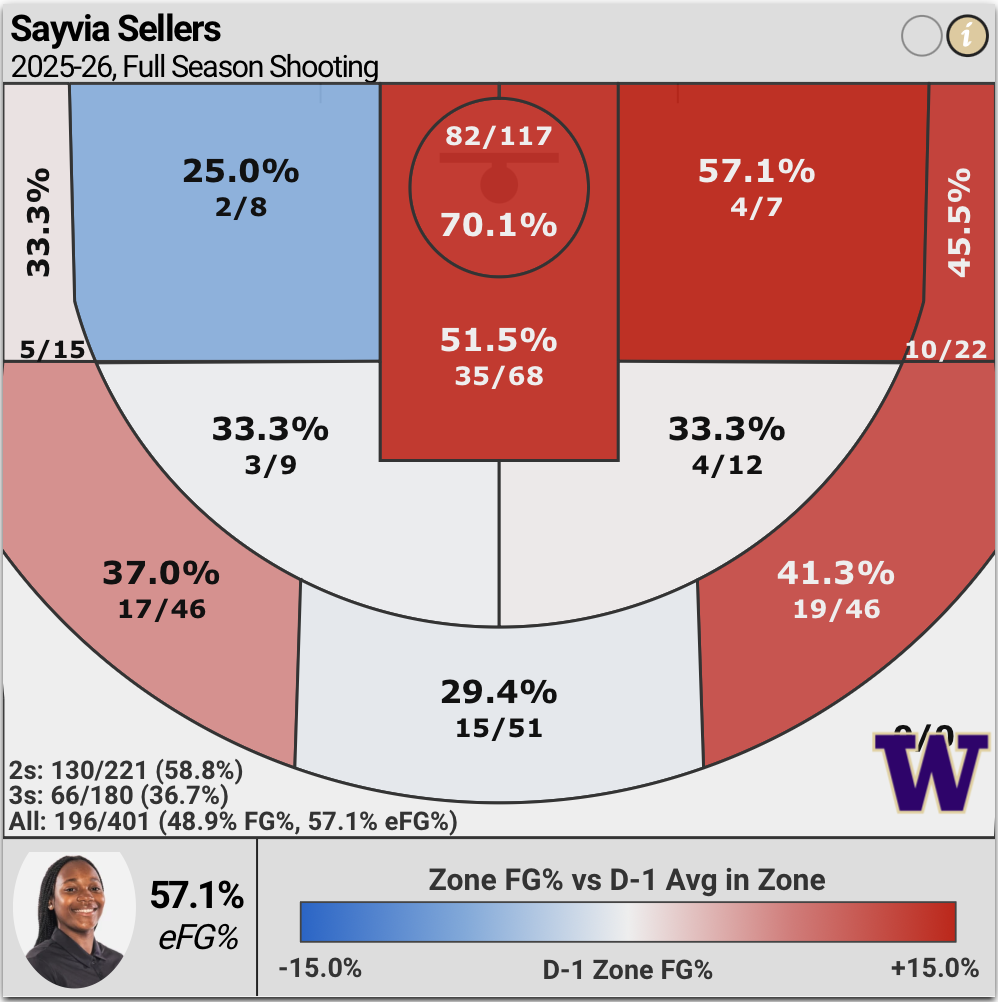
Washington’s offense starts with the engine of the Huskies attack, 5’7″ point guard Sayvia Sellers.

Sellers enters this matchup averaging 18.9 points per game on an efficient 48.9% from the field, including 36.7% from three-point range; and 70.1% efficiency finishing at the rim.

Sellers does more than score; she sets the Dawgs’ emotional temperature. In a loud arena on the road, a composed point guard that also averages 1.6 steals and 3.6 assists can disrupt the Ducks scoring runs before they snowball.
And if Sellers turns Oregon’s defensive pressure into driving lanes and kick‑outs, the Ducks will be forced to pick their poison—collapse on the ball or surrender rhythm threes. Washington’s chances rise sharply if the game bends to Sellers’ pace rather than Oregon’s.

UW’s Offensive Core Brings Scoring Balance, Creates Mismatches
Alongside Sellers, the Huskies boast a versatile supporting cast that can exploit mismatches all over the floor.

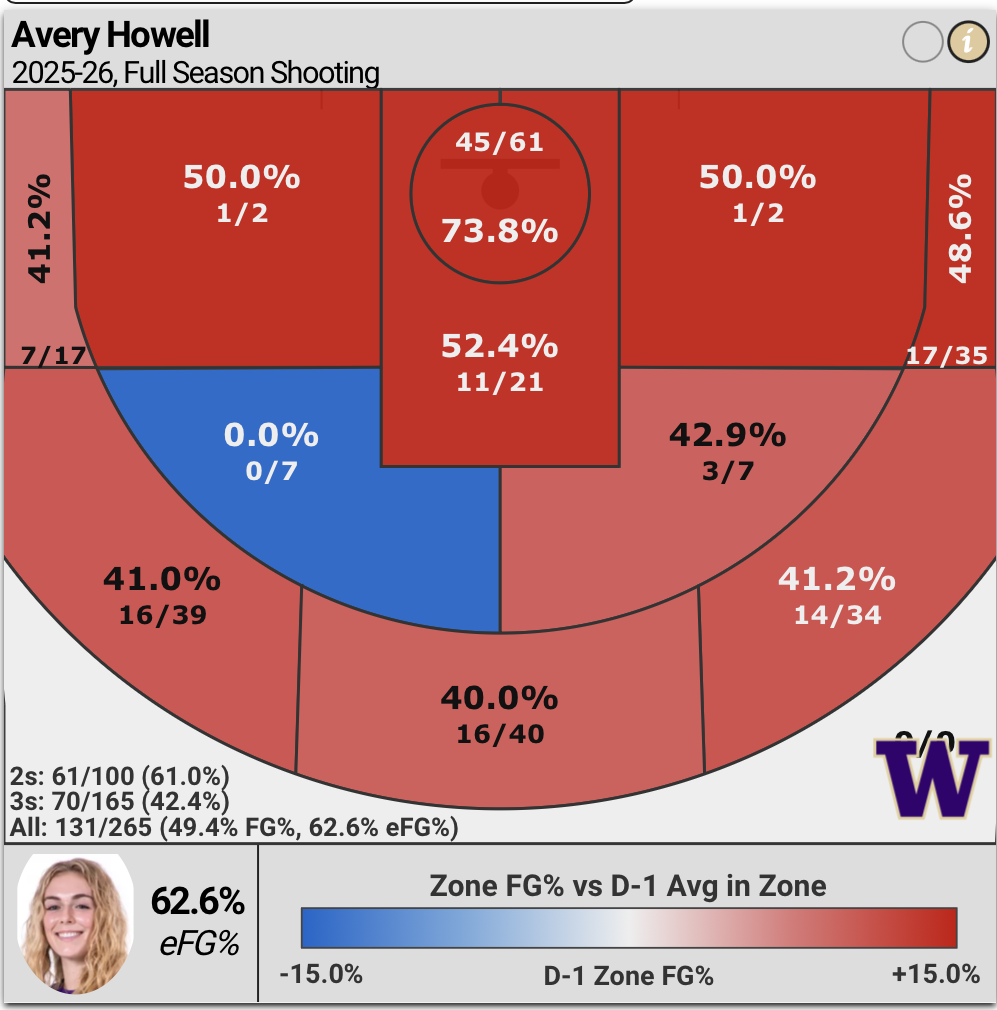
Sophomore 6’0″ wing‑guard Avery Howell gives the Dawgs a matchup weapon that Oregon must account for on every possession, averaging 13.7 points and 8.4 rebounds while shooting 42.4% from three-point range.

Howell’s shooting can drag Oregon’s frontcourt defenders away from the hoop, opening lanes for cutters and drives; but she can also crash back in for second‑chance points. Howell’s ability to stretch the floor and dominate the glass makes her a tough matchup that can swing the game’s outcome.

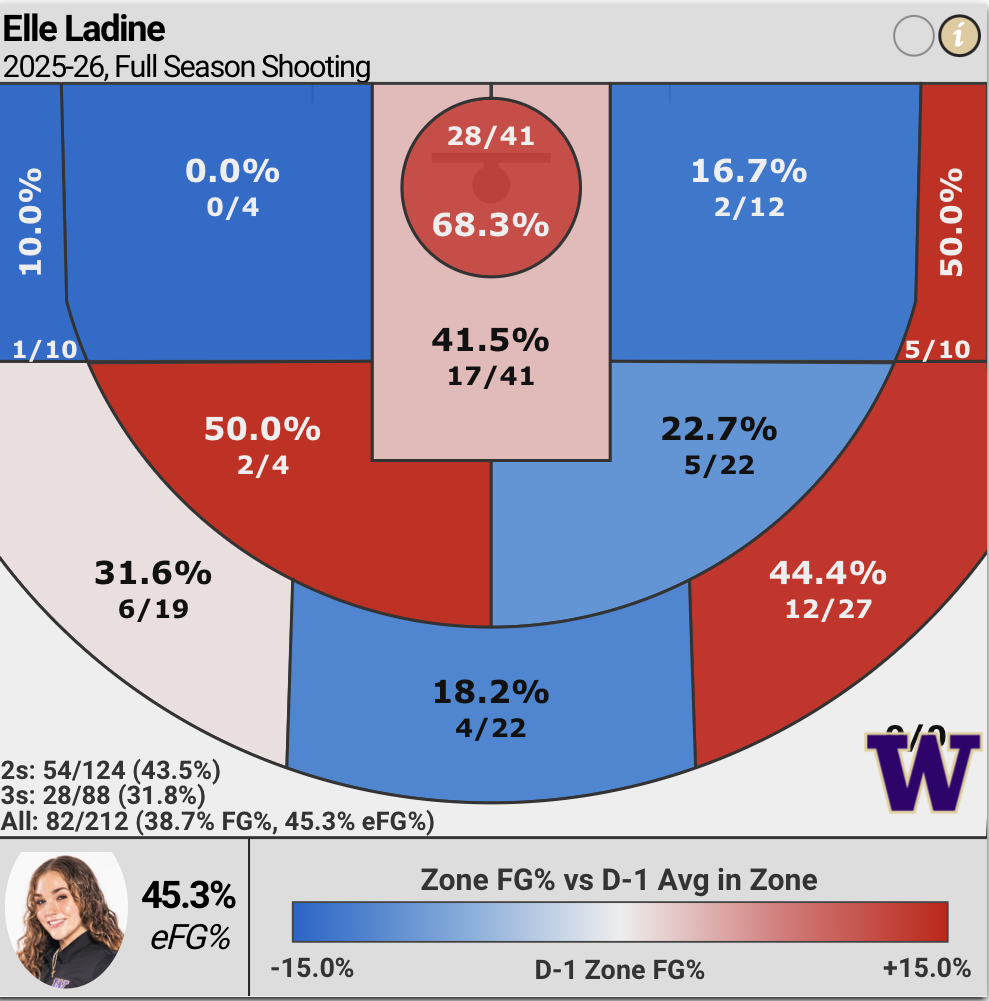
Senior 5’11” wing‑guard Elle Ladine adds 9.7 points per game with a particularly lethal 68.3% finishing rate at the rim. Even though Elle shoots a competent 31.8% from three-point range, her true impact lies in attacking defensive gaps, cutting off the ball, and turning poor defensive rotations into layups.

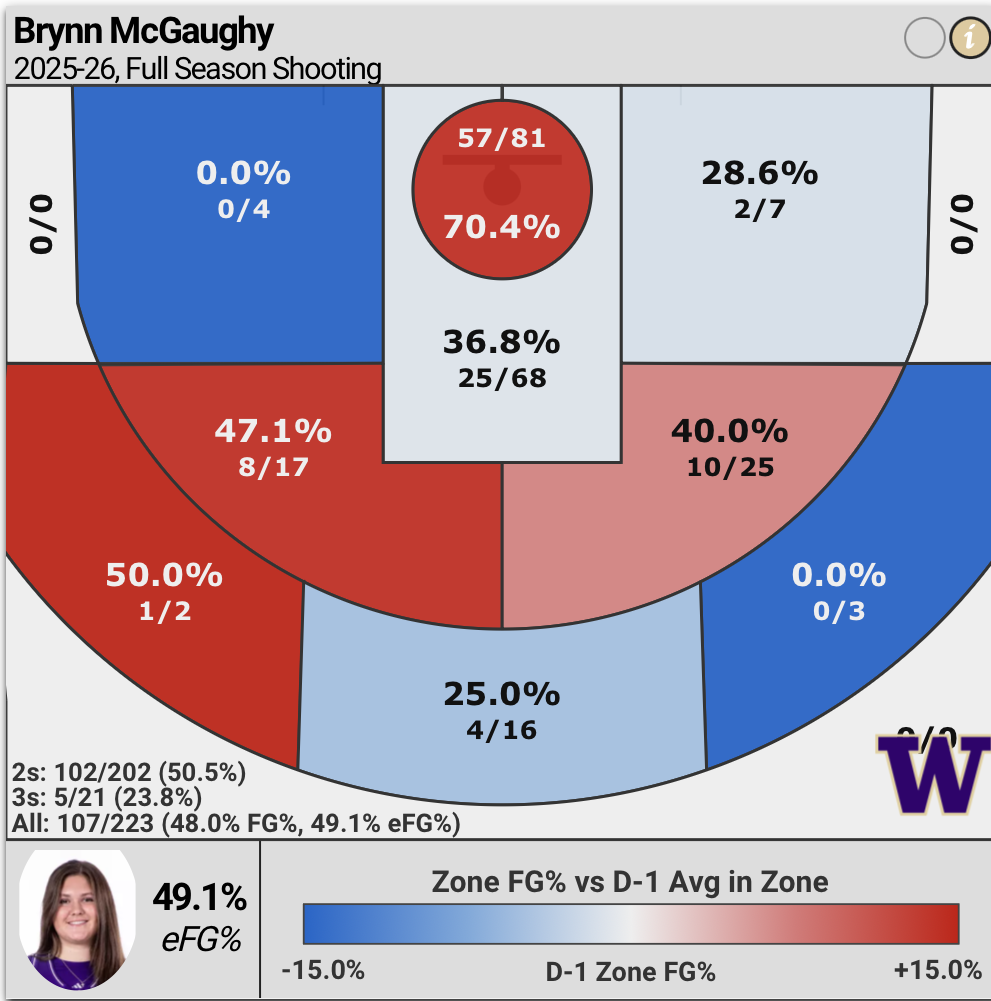
Freshman 6’3″ forward Brynn McGaughy is the Huskies’ primary interior presence. McGaughy scores 9.0 points per game while converting 70.4% of her shots at the rim and adding 1.2 blocks. McGaughy gives UW a physical presence that can challenge Oregon’s interior defense on both ends.
Oregon’s Offensive Counterpunch: Playmakers with Pace
The Oregon Ducks are far from a one‑dimensional opponent.

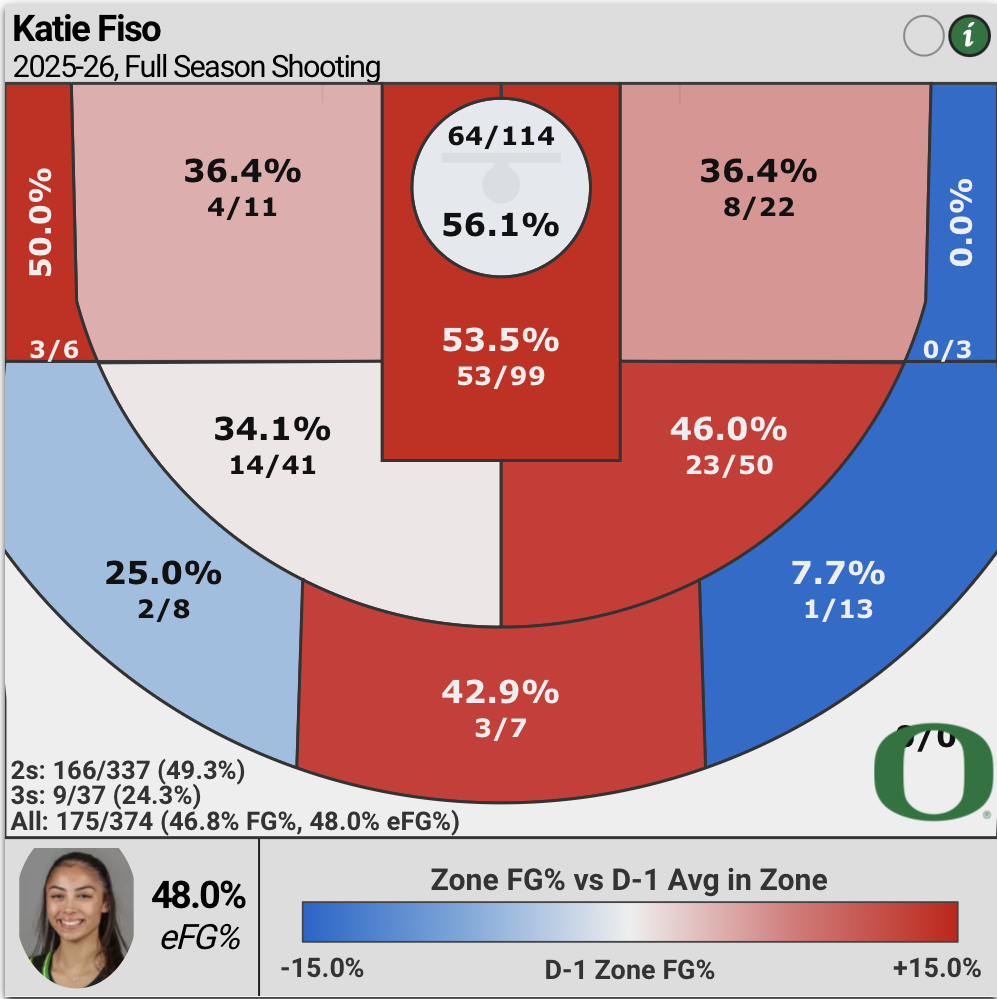
Sophomore 5’11” guard Katie Fiso averages 14.6 points and a robust 6.5 assists per game, effectively serving as the Ducks’ primary creator. Although she shoots a modest 24.3% from three-point range, her overall 46.8% field‑goal percentage shows she excels at attacking inside the arc and distributing once defenses collapse.

The Huskies must keep Fiso out of the lane; if she starts carving up Washington off the dribble, Oregon’s entire offense comes alive.
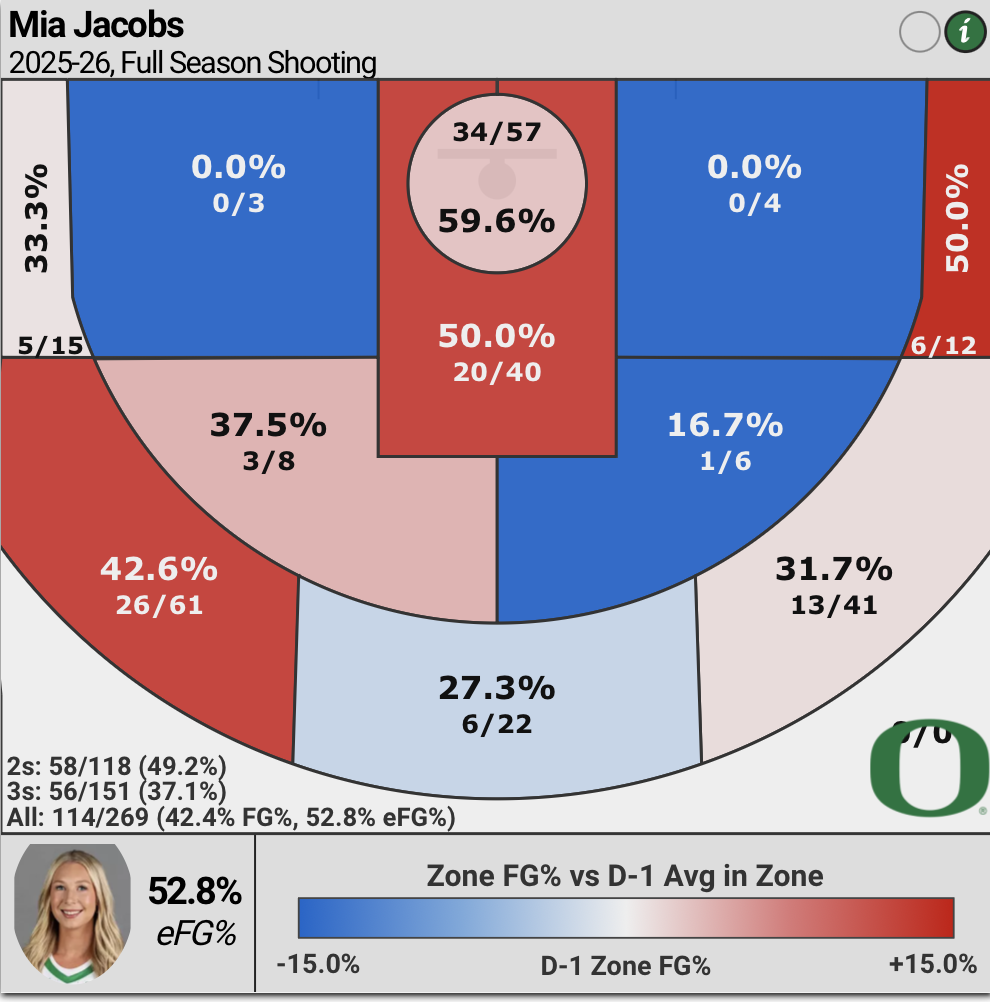
In addition, senior 6’2″ forward Mia Jacobs offers a dangerous inside‑out counter. Jacobs averages 13.4 points per game and shoots 37.1% from deep, a combination that can pull Washington’s bigs away from the paint.

When Jacobs spaces the floor, driving lanes open for Fiso and the Ducks’ guards, potentially challenging UW’s usually steady help rotations and closeouts.

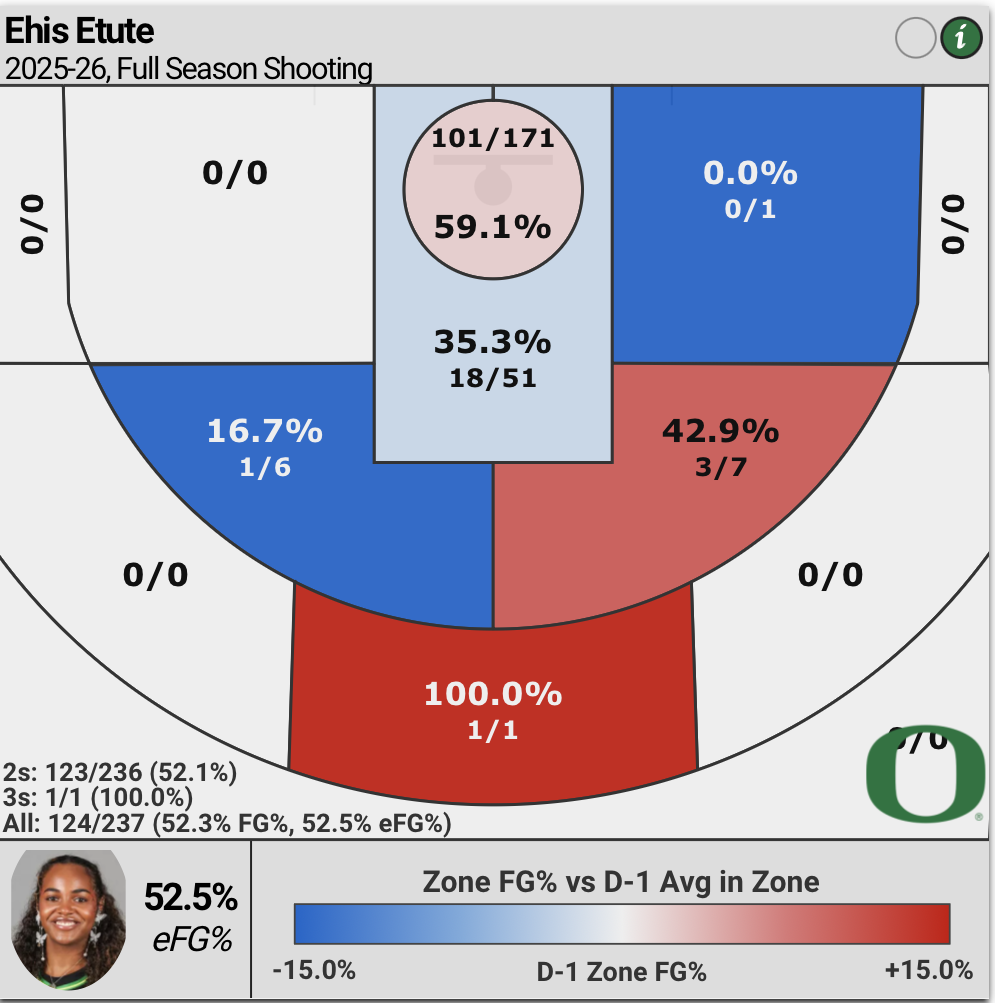
6’0″ sophomore forward Ehis Etute provides Oregon with a rugged interior anchor, averaging 11.8 points on efficient 52.1% two‑point shooting; as well as grabbing 8.6 rebounds per game.


Her presence on the glass will directly test Washington’s 39.6 rebounds per game, especially on missed threes and long rebounds.

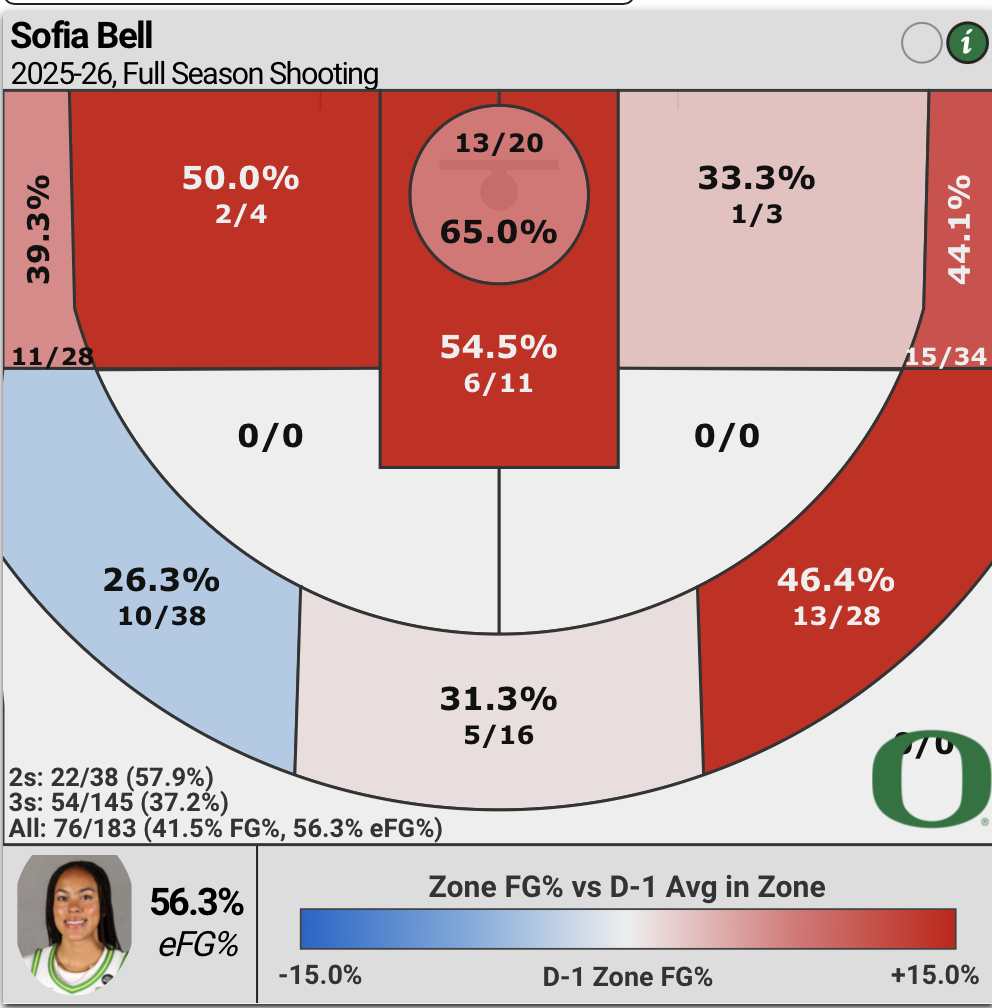
Moreover, 6’0″ junior guard Sofia Bell adds a reliable perimeter threat with 7.3 points per game and 37.2% from three, further stretching UW’s defense horizontally.

The Huskies hold opponents to 29.5% shooting from three-point range, but if the Ducks’ shooters get comfortable, Washington’s disciplined defense will be stretched in ways it usually avoids.

The Winning Margins: Turnovers, Assists and Rebounds
Ultimately, the turnover battle may quietly decide the game. Both teams average 15.1 turnovers per contest, yet, the most subtle danger lies in Oregon’s defense.

The Ducks generate 10.9 steals per game, significantly more than Washington’s 7.2 steals — they turn mistakes into immediate offense with 19.4 points-off-turnovers per game (versus only 10 for UW).

If the Dawgs protect the ball and keep Oregon from turning defense into instant offense, UW can neutralize one of the Ducks’ biggest advantages and keep the game in a controlled half‑court flow.

The Huskies 0.93 assist‑to‑turnover ratio definitely needs to improve against Oregon’s ball‑hawking guards; that means decisive passing, strong cuts, and refusing to dribble into traps. When UW’s assisted shot rate (51.1%) climbs, the Husky offense hums, and multiple players get involved beyond Sellers.

Equally important, Washington must own the glass. At 12.7 offensive rebounds and 39.6 total boards per game, the Dawgs have the potential to create invaluable second‑chance opportunities for themselves, while limiting the Ducks offense to one shot.

By contrast, Oregon averages only 36.1 rebounds per game. If the Huskies can create second chance scoring opportunities and/or extend possessions, they could slowly wear down the Ducks over four quarters.

If the Dawgs stay disciplined, win the rebounding battle, and let Sellers set the tone, the Huskies have every reason to believe they can walk out of Oregon with a defining late‑season victory and momentum for the post-season.

UW WBB Huskies Win Probability: 53%

facebookShare on Facebook
TwitterTweet
FollowFollow us
Tags: FeaturedFeatured - Editor's Picksticky

Follow UDUBWBB1

    The Instagram Access Token is expired, Go to the Customizer > JNews : Social, Like & View > Instagram Feed Setting, to refresh it.
Twitter Instagram
Currently Playing

@UDUBWBB is UW WBB

    The Instagram Access Token is expired, Go to the Customizer > JNews : Social, Like & View > Instagram Feed Setting, to refresh it.

Welcome Back!

Login to your account below

Forgotten Password?

Retrieve your password

Please enter your username or email address to reset your password.

Log In

Add New Playlist

No Result
View All Result
  • #ProDawgsVideo
  • About
  • HomeCourt
  • Podcasts
  • Privacy Policy
  • UW_WBB

© 2020UDUBHoops.com - Website Design & LogosCreativeGeniusTech.